
Interior PaintingPretoria East
Clean, washable wall and ceiling finishes for homes across Pretoria East. Takesure Painters handles everything from single room touch-ups to full interior repaints.
What Goes Into a Professional Interior Paint Job
Interior painting looks straightforward: roll paint on the wall, job done. In practice, the visible quality of a paint job is determined by what happens before the roller touches the wall. Cracks filled cleanly, sanded smooth, and primed evenly produce a flat finish that reflects light uniformly. Cracks painted over produce a shadow line that shows through every colour, however many coats are applied on top.
A professional interior painter spends more time preparing surfaces than applying paint on any job involving walls older than a few years. Settlement cracks, impact dents, holes left by moved picture hooks, and previous badly applied filler all need attention before the first coat of PVA goes on. Takesure Painters addresses all of these during the preparation phase.
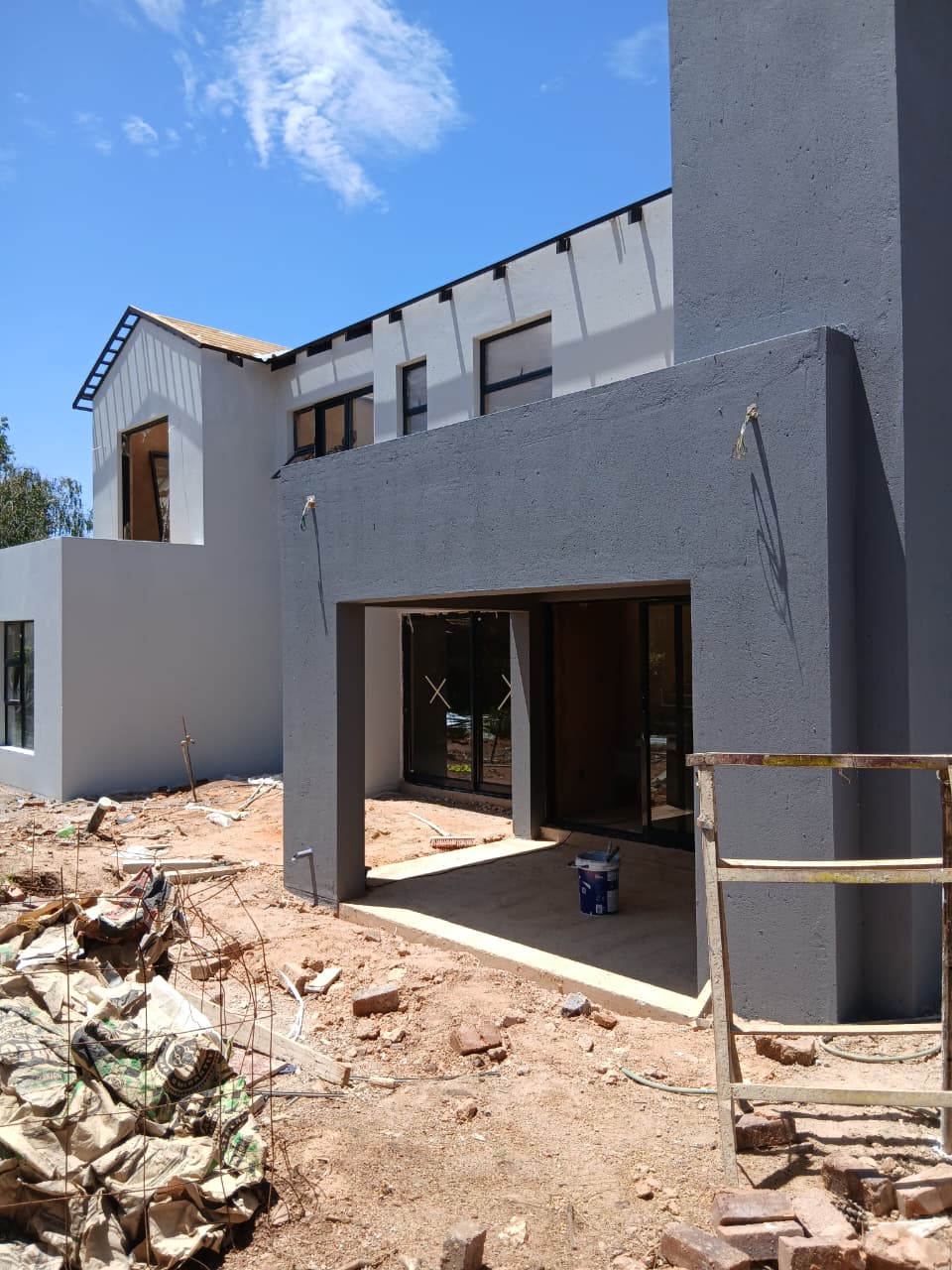
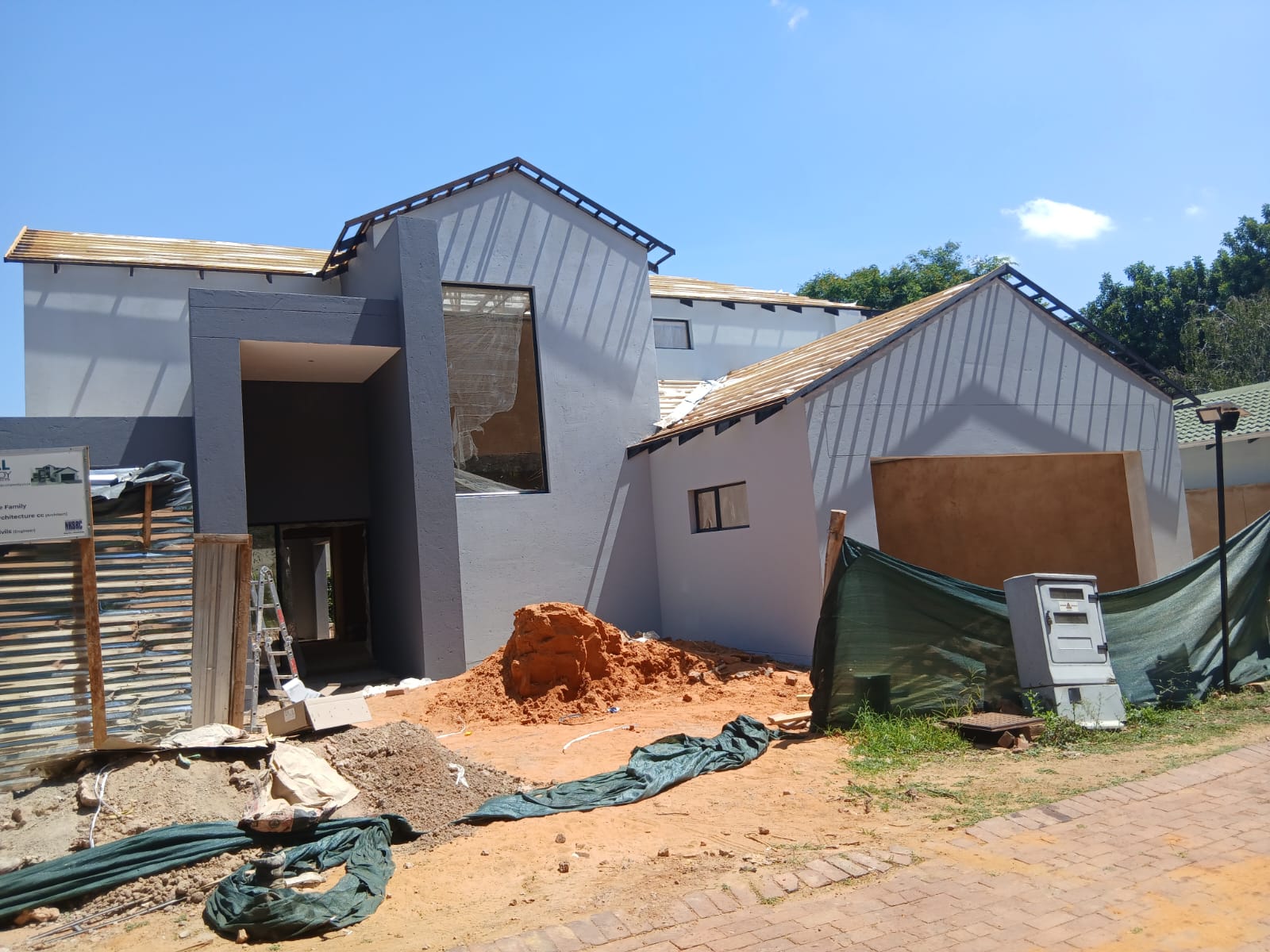
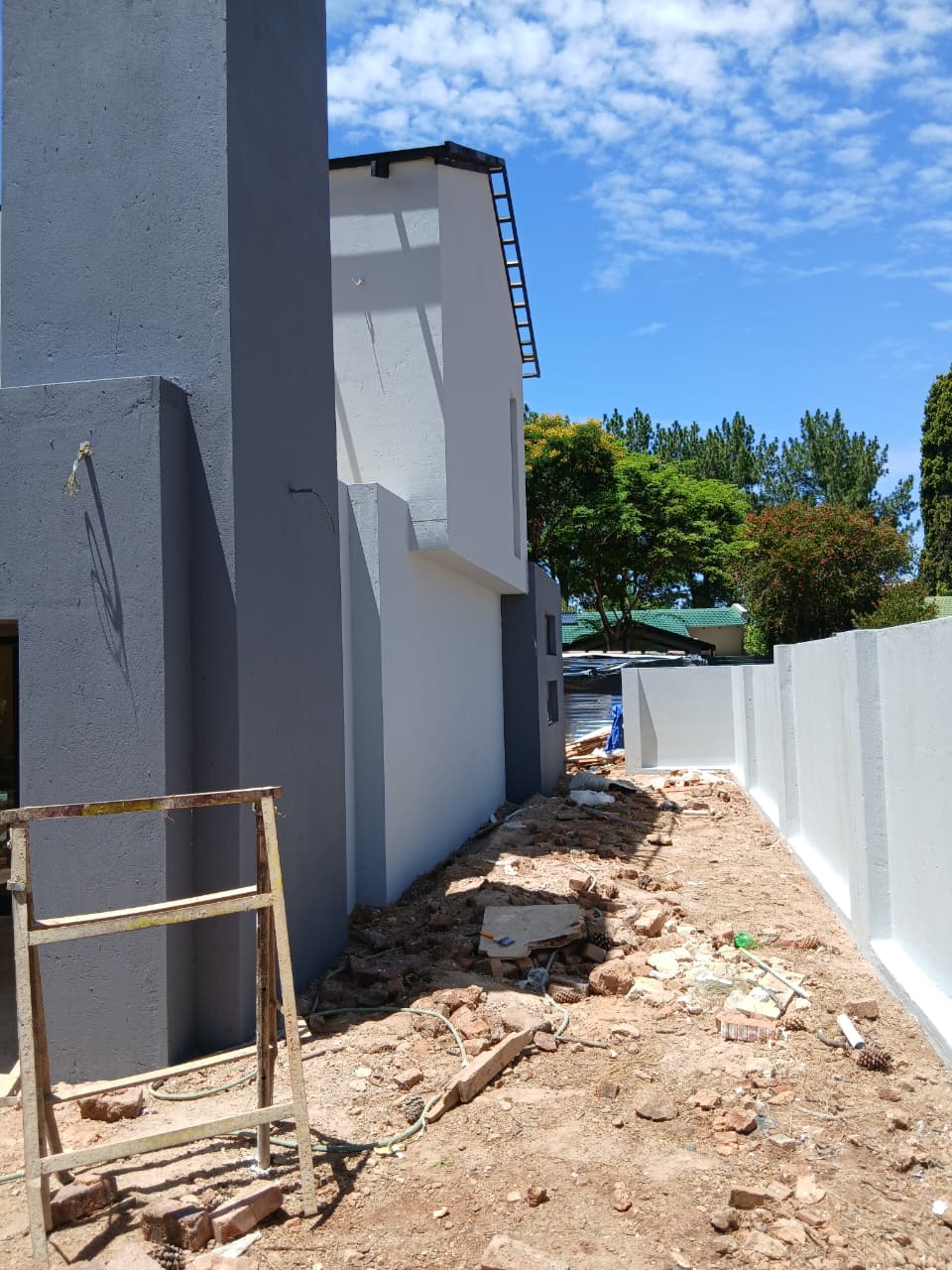
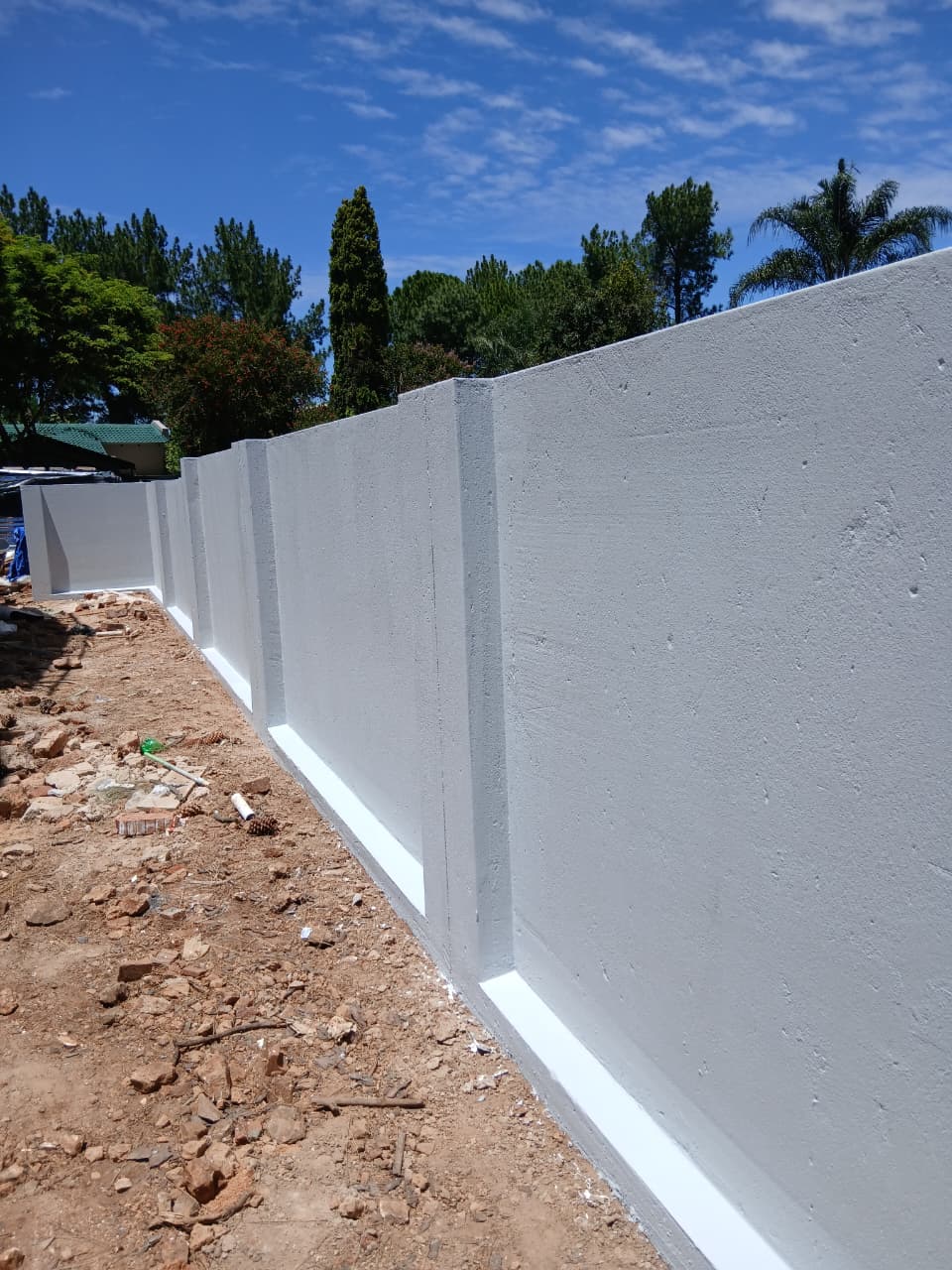
Product choice matters as much on interior walls as it does on exterior surfaces. Low-sheen acrylics hide minor surface imperfections and wipe clean with a damp cloth. Matte PVA absorbs light and creates a flat, smooth appearance but marks more easily in high-traffic areas. Satin and semi-gloss finishes are more durable and washable but amplify any surface irregularity. Takesure Painters discusses the right sheen level for each room based on traffic, lighting, and the client’s preference.
Interior Surfaces Covered
- Interior walls in all rooms
- Ceilings and cornices
- Door frames and architraves
- Skirting boards and dado rails
- Interior doors (both sides)
- Built-in cupboard exteriors
- Stairwell walls and ceilings
- Garage interiors
High-Traffic Areas vs Low-Traffic Rooms
The correct product for a hallway differs from the product for a bedroom, and choosing the wrong one creates maintenance problems within the first year.
High-Traffic Areas
Hallways, kitchens, bathrooms, and children’s rooms pick up scuff marks, handprints, and moisture. Takesure Painters specifies washable low-sheen or satin acrylic in these spaces. The slight sheen adds durability and allows wet-cloth cleaning without lifting the paint film.
Kitchen and bathroom walls sometimes need a moisture-resistant PVA product that resists the steam and humidity cycles these rooms experience daily. Standard interior PVA on a poorly ventilated bathroom ceiling grows mould spots within a year. The right product, properly applied, prevents this from the start.
Bedrooms and Living Areas
Lower-traffic rooms tolerate matte and flat finishes that create a softer, warmer appearance. These finishes absorb light rather than reflecting it, which makes rooms feel less clinical. The trade-off is that flat finishes mark more easily and cannot be scrubbed clean, so they work best in rooms where scuffing and fingerprints are unlikely.
Open-plan living areas with high ceilings benefit from a consistent sheen level across all surfaces to avoid the patchy appearance that comes from using different products on walls that flow into each other. Takesure Painters discusses the full layout of each interior space before specifying products.
How Takesure Painters Completes an Interior Repaint
Interior jobs follow a room-by-room sequence that keeps the household functioning throughout the project.
Furniture and Floor Protection
Every piece of furniture is either moved out of the room or covered with heavy-duty dust sheets. Floors receive canvas or plastic drop sheets taped at the edges. Light switches, power points, door handles, and hardware are masked off with painter’s tape.
Wall Preparation
Walls are checked for cracks, dents, and holes. Each defect is filled with interior crack filler, allowed to dry, and sanded flush with the surrounding surface. Heavily patched areas receive a spot primer coat to seal the filler and prevent sheen variation in the topcoat.
Ceiling First
Ceilings are always painted before walls. Drips from ceiling work would land on wet wall paint if the sequence were reversed. A flat white PVA ceiling coat eliminates glare and creates a clean, even base.
Cutting In
Before any rolling begins, edges along cornices, skirting boards, door frames, and window reveals are carefully cut in by hand brush. This step determines whether the final result has clean, sharp lines or ragged edges where wall colour bleeds onto trim.
Rolling Walls
Wall PVA or acrylic is rolled out in even, overlapping passes. Two coats are standard for all colour changes and most repaints. Deep colours over light backgrounds may need a tinted undercoat or a third topcoat to achieve full opacity.
Enamel Trim
Skirting boards, door frames, architraves, and doors receive their enamel or water-based trim paint last. Enamel dries harder and more washable than wall PVA and creates a visible contrast that defines the room. Trim work is the detail that separates an average paint job from a sharp one.
Interior Painting Costs in Pretoria East
Interior pricing is driven by wall area, number of rooms, surface condition, colour change complexity, and ceiling height. The ranges below cover typical residential interiors.
| Service | Estimated Range |
|---|---|
| Single room repaint, walls and ceiling | R2,500 – R4,500 |
| Full interior 3-bedroom house | R15,000 – R28,000 |
| Full interior 4-bedroom house | R20,000 – R38,000 |
| Ceiling repaint only, per room | R800 – R1,800 |
| Enamel trim repaint (full house) | R4,500 – R9,000 |
| Stairwell walls and ceiling | R3,500 – R7,000 |
What Changes the Price
Double-volume entrance halls, stairwells, and rooms with ceilings above 3m require additional ladder or scaffold time. The labour rate per square metre increases with height because each section takes longer to reach and coat safely.
Dramatic colour changes add coats. Painting white over a deep charcoal or dark navy wall requires a tinted primer and up to three topcoats to achieve full opacity. The extra material and time is reflected in the quote.
Interior Painting Safety
Interior work happens inside occupied homes. Protecting the household from fumes, dust, and disruption is part of every job.
Fume and VOC Management
Takesure Painters specifies low-VOC water-based products for all interior walls and ceilings. These emit minimal odour and off-gas far less than solvent-based alternatives. When enamel is used on doors or trim, windows and doors are opened for cross-ventilation. Households with young children, elderly residents, or anyone with respiratory conditions should plan to keep those individuals out of freshly painted rooms for 12 to 24 hours.
Dust Control
Sanding produces fine dust that settles on furniture and surfaces throughout the home. Takesure Painters uses dust sheets to contain sanding dust as much as possible and sweeps rooms thoroughly before rolling. Rooms with sensitive electronics or musical instruments should have those items removed or fully covered before preparation begins.
What to Expect During an Interior Repaint
A full three-bedroom interior repaint runs four to six working days. Single rooms are usually complete within one day.
Day 1: Preparation
Furniture is moved and covered, floors are protected, and all surfaces are filled, sanded, and spot-primed. This is the longest phase on homes with many cracks or large patched areas.
Days 2–3: Ceilings and First Wall Coats
Ceilings are painted first across all rooms, then first coats go onto walls in sequence. High-traffic areas may need a tinted primer before the first colour coat if a dramatic change is planned.
Days 4–5: Second Coats and Trim
Final wall topcoats are applied once the first coats have dried and been inspected. Enamel trim work on skirting, doors, and frames happens in parallel or immediately after.
Final Day: Cleanup and Walkthrough
Masking tape is removed, drop sheets folded, and furniture returned to position. A walkthrough of every painted surface confirms clean lines, full coverage, and consistent sheen before sign-off.
How Interior Painting Estimates Work
Contact Takesure Painters by WhatsApp or phone to arrange a free room-by-room inspection. Every surface is measured, condition is noted, colour preferences are discussed, and a written quote is delivered within 24 hours.
Interior Painting Available in These Areas
Takesure Painters handles interior repaints across Pretoria East and surrounding suburbs.
Frequently Asked Questions
Can I stay in my home during an interior repaint?
Yes. Takesure Painters works room by room, so the rest of the house remains usable throughout the project. Bedrooms are scheduled to be complete and dry by early evening so residents can sleep in them that night. The main inconvenience is dust during the preparation phase and mild paint smell in recently coated rooms. Low-VOC products keep the odour manageable in most households.
How do I choose between matte, low-sheen, and satin paint?
Matte finishes absorb light and create a soft, flat appearance but pick up marks and cannot be scrubbed. Low-sheen balances appearance and washability and is the most practical choice for most living spaces. Satin and semi-gloss are the most durable and cleanable but show surface imperfections more clearly. Takesure Painters recommends low-sheen for living rooms and bedrooms, satin for kitchens and bathrooms, and semi-gloss enamel for all trim and woodwork.
What if my walls have a textured finish I want to change?
Removing a stippled or heavily textured wall finish requires mechanical grinding or skim-coating with new plaster before a smooth finish can be achieved. Takesure Painters assesses the existing texture during the site visit and provides a separate quote for the skim-coat work if required. Rolling flat PVA over a heavy texture does not smooth the wall; the texture shows through every coat applied.


