
WaterproofingPretoria East
Parapet walls, flat roofs, wet rooms, and planter boxes sealed against Pretoria’s summer rain across Pretoria East. Takesure Painters identifies the moisture source before selecting the correct sealing system.
Where Water Enters and How to Stop It
Pretoria East receives 700mm of rain annually, most of it concentrated in thunderstorms between October and March. Flat roof edges, parapet copings, and wall-to-roof junctions bear the heaviest water loads. Cracks in these areas direct water into wall cavities and ceiling voids where it travels far from the point of entry before showing as a stain on a ceiling or a damp patch on an interior wall.
A qualified waterproofing applicator traces moisture paths before applying any product. Takesure Painters inspects the building exterior, roof junctions, and any exposed horizontal surface above the damp area during every waterproofing assessment. Applying a sealant over the wrong surface wastes money and leaves the entry point open.
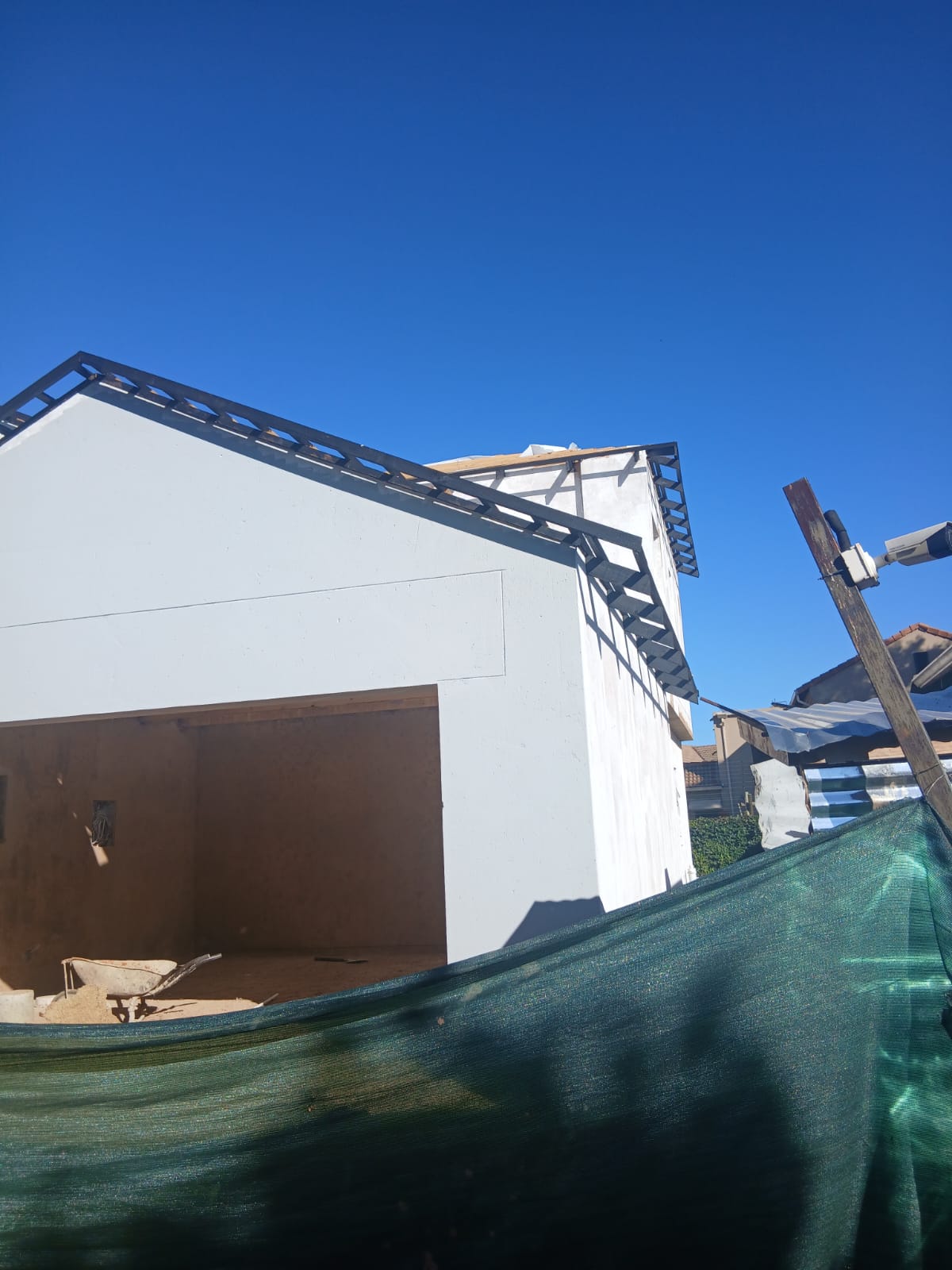

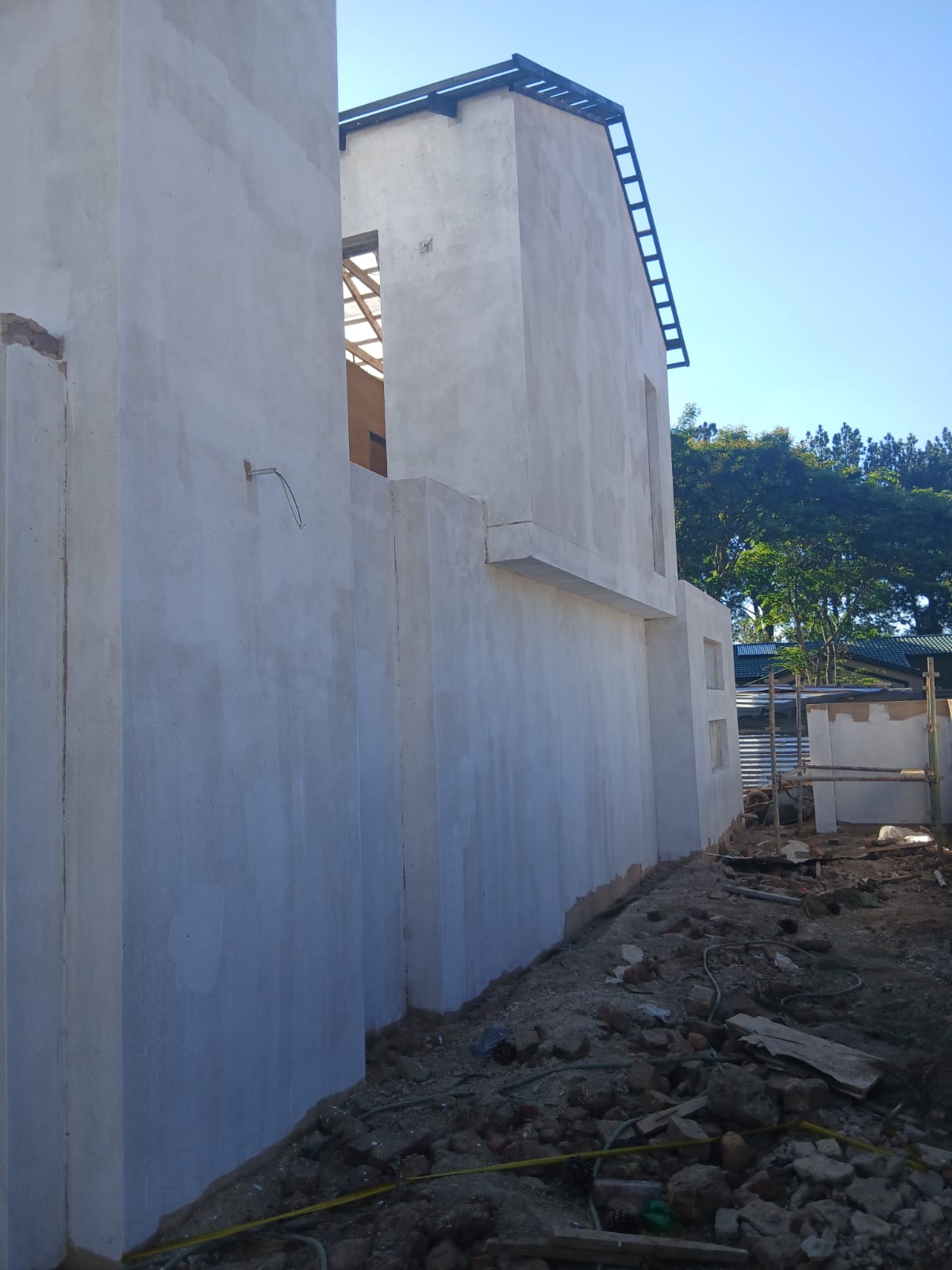

Waterproofing products range from flexible acrylic sealers and polyurethane membranes to torch-on bituminous systems and crystalline concrete treatments. The right product depends on the substrate, the degree of movement expected, the water pressure involved, and the surface accessibility. No single product works on every leak.
Waterproofing Applications
- Flat roof surfaces and decks
- Parapet walls and coping joints
- Balconies and tiled terraces
- Wet rooms, showers, and bathrooms
- Planter boxes and garden walls
- Basement and below-ground areas
- Window sill and door threshold joints
- Concrete roof slabs and screeds
Flexible Membranes vs Rigid Sealers
Two fundamentally different waterproofing approaches suit different surfaces and movement conditions.
Flexible Membrane Systems
Acrylic, polyurethane, and bituminous membrane products are used where the substrate moves with temperature or structural settlement. Flat roofs, parapet walls, and balcony slabs all expand and contract seasonally. A rigid sealer cracks across these movement joints; a flexible membrane stretches with the movement and remains watertight.
Torch-on bituminous membranes provide the most durable flexible waterproofing for flat roofs exposed to direct sun. Liquid-applied polyurethane membranes are easier to apply on irregular surfaces and around protrusions like drain pipes and air-conditioning brackets.
Rigid and Crystalline Sealers
Rigid acrylic sealers, epoxy injection systems, and crystalline concrete treatments are used where movement is absent and water pressure is the primary concern. Basement walls, concrete water tanks, and below-ground structures benefit from crystalline products that grow into the concrete pores and block water at the molecular level.
Crack injection with polyurethane or epoxy resin stops active leaks in concrete structures where flexible membranes cannot bond to a wet surface. These products cure in contact with water and seal the crack from inside the concrete mass.
How Takesure Painters Approaches a Waterproofing Job
Every waterproofing project starts with locating the source. Treating symptoms wastes time and money.
Moisture Investigation
The building is inspected externally and internally. Every crack, open joint, and potential water entry point above the wet area is identified. Walls and ceilings are checked for efflorescence, staining patterns, and plaster bubbling that indicate moisture paths.
Surface Preparation
The waterproofing area is cleaned, dried, and prepared according to the system being applied. Existing failed sealants are scraped out. Cracks wider than 2mm are chased open and cleaned before sealing. Concrete surfaces are ground if membrane adhesion requires it.
Joint and Crack Sealing
All movement joints, pipe penetrations, and crack lines are treated first with flexible filler, polyurethane sealant, or reinforcing mesh embedded in a bonding coat. These points are the most vulnerable locations in any flat roof or parapet waterproofing system.
Primer Application
A bonding primer coat is applied to the prepared surface. Primer chemistry varies with the topcoat system: acrylic membranes use acrylic primer, polyurethane systems use polyurethane primer. Using the wrong primer prevents adhesion.
Membrane Application
The selected waterproofing product is applied in the specified number of coats to the required film thickness. Critical areas at edges, drains, and penetrations receive reinforcing fabric embedded into the membrane for additional strength.
Flood Test and Inspection
Where practical, completed waterproofing is flood tested by blocking drains and filling the surface with water for 24 to 48 hours. Any areas that show seepage are identified, dried, and remediated before handover.
Waterproofing Costs in Pretoria East
Waterproofing pricing depends on the system selected, the surface area, substrate condition, and access. These ranges cover standard residential applications.
| Waterproofing Service | Estimated Range |
|---|---|
| Acrylic membrane per square metre | R80 – R150 |
| Polyurethane membrane per square metre | R120 – R220 |
| Flat roof waterproofing (50m²) | R5,000 – R12,000 |
| Parapet wall sealing per metre | R350 – R650 |
| Balcony or terrace waterproofing | R4,000 – R9,000 |
| Wet room and shower sealing | R2,500 – R5,500 |
| Crack injection per metre | R400 – R900 |
Why Waterproofing Costs Vary
System selection drives the largest portion of the cost variance. A basic acrylic sealer is the most economical option but is suited only to surfaces with no movement and modest water exposure. A torch-on bituminous membrane on a large flat roof costs significantly more but provides a 15-year warranty from most manufacturers.
Access difficulty adds cost on flat roofs with parapets, balconies above ground level, and basement waterproofing where working space is restricted. Takesure Painters includes all access equipment in the quote so there are no surprises on the invoice.
How Waterproofing Estimates Work
Contact Takesure Painters by WhatsApp or phone to arrange a free inspection. The moisture source is identified, the affected area is measured, and the correct waterproofing system is specified before a written quote is prepared and delivered within 24 hours.
Waterproofing Available in These Areas
Takesure Painters handles waterproofing projects across Pretoria East and surrounding suburbs.
Frequently Asked Questions
Why does my ceiling get wet only during heavy rain?
Light rain rarely generates enough water pressure or volume to penetrate minor cracks. Heavy storms force larger water volumes through the same entry points under more pressure. A crack that appears sealed in light rain may still be allowing water through during the intense summer downpours common in Pretoria East. Takesure Painters tests suspected entry points with a garden hose at normal pressure during the investigation phase to simulate mild rain, then checks whether heavy simulated rainfall on the same spot produces a different result.
How long does waterproofing last?
Lifespan depends on the system. Basic acrylic coatings last three to five years under direct UV exposure on a flat roof. Quality polyurethane membranes last eight to twelve years. Torch-on bituminous membranes carry 15-year manufacturer warranties. Crystalline concrete treatments become a permanent part of the concrete structure once cured. All waterproofing systems last longer when the surface is kept clean, drains are cleared regularly, and any new cracks that form are resealed promptly before they become ingress points.
Can you waterproof a leaking shower without removing the tiles?
Injection waterproofing through the grout lines can address some shower leaks without tile removal. Polyurethane or acrylic injection into saturated substrate beneath the tiles forces water out and fills the void with a flexible sealant. This approach works when the leak is through the grout joints or the screed beneath the tiles rather than through a cracked tile or failed membrane at the shower tray. Where the waterproofing membrane has fully failed and the screed beneath is saturated, tile removal and full re-waterproofing is the correct solution.


